
Attendance after hours: $80–$180
The figure that gets a licensed plumber to your door at night. Quotable on the phone, every time.
The first thing that happens is not a booking. It is a plumber telling you what to shut off right now, because the minutes before anyone arrives are where most of the damage is either done or prevented.
Most of the value in an emergency call happens before anyone arrives. Knowing to shut the water off at the meter, knowing not to touch a light switch when there is a smell of gas, knowing to kill the power to a soaked area: each of those is worth more than the hour we save on the road.
So the call starts with instructions rather than a booking form. Then a crew is dispatched with the common failure points already on the van, because diagnosing from scratch at midnight is how a two-hour job becomes a two-visit one.

Properties on septic or an on-site treatment system have a failure mode town sewer does not: the problem can be the system itself rather than the pipe to it, and the warning signs are wet ground and smell rather than a backed-up fixture.
Many Middle Dural homes run septic tanks or aerated systems, so blockages, overflows and tired absorption trenches are among the most common calls out here.
If the ground over the trench is soggy in dry weather, stop putting water into the system and call. Continuing to load a failed field turns a pump-out into an excavation, and that is the difference between a bad evening and a bad month.
A drain on a slope moves water fast, and fast is not always good. Waste can outrun the liquid carrying it on a steep run and settle at the first flat section, building up at exactly the same spot each time.
Sloping, timbered blocks and heavy rain send run-off surging through stormwater pits and rural drains that silt up and back up.
The tell is a blockage that recurs at the same interval in the same place. That is a gradient problem, not a usage problem, and no amount of careful flushing fixes it — the answer is to see the profile of the line and correct the section that is wrong.
Most homes around Middle Dural have an overflow gully outside — a low grate, often near the back step, that nobody thinks about until it matters. It is deliberately set below the lowest fixture indoors so that when the line blocks, it spills into the garden instead of through your floor.
So a gully running in heavy rain is not a fault. It is the system doing its job and telling you the line downstream of it has stopped taking water. That is the moment to call, not after it reaches the hallway.
If this is the second or third time, the useful thing you can do at 2am is write down the date. Two or three of them tell a plumber more than any description, because the interval reveals how fast the obstruction rebuilds.
A shortening gap between call-outs is the signal that jetting has stopped being the answer. That is a daylight conversation, not a tonight one, but tonight is when the evidence gets recorded.
We would rather be straight about drive times than optimistic. Properties on the outskirts of Middle Dural and out through Dural, Glenorie, Galston are further from the depot than the built-up streets, and at 3am the difference is real.
The area’s dense gums and native cover send aggressive roots into pipe joints and septic lines, the number-one cause of recurring blockages locally.
What does not change is what happens on the phone: the isolation advice, working out whether it is safe to wait until first light, and an arrival window we will actually meet rather than one that sounds better.
Emergency plumbing is not evenly spread through the year. The first serious rain after a dry spell produces more blocked stormwater than any other week, because everything that collected in the pits over summer moves at once.
If your line is marginal, that is the week it will fail. It is also the week every plumber in Sydney is busy — which is the argument for dealing with a drain that has blocked twice before the season rather than during it.
Every emergency visit should end with you knowing three things: what failed, what was done tonight, and whether tonight's work is the end of it or the first half.
A cleared blockage is not always a solved blockage. Where the camera shows a structural cause — a break, roots through a joint, a section out of fall — you get that on the night, with the footage and the options, rather than a clean invoice and a repeat visit in six weeks.
The figure that gets a licensed plumber to your door at night. Quotable on the phone, every time.
Business hours run about $120–$160. The premium is real and every genuine after-hours outfit charges one.
Attendance plus the first stretch of work plus minor parts. An isolated burst, a blocked toilet, a failed valve.
Slab leaks, gas faults, anything structural at 2am. Quoted before it starts, in writing.
The cheapest outcome, and one we give often. Describe it honestly and we will tell you which side of the line it is on.
The price is agreed before work starts, including at 2am. Figures here are indicative of the 2026 Sydney market rather than a quote from us, you get your own number as a fixed price before any work starts.

Not a call centre. You describe what is happening, we tell you what to shut off right now, and whether this genuinely needs someone tonight. Sometimes it does not, and we say so.
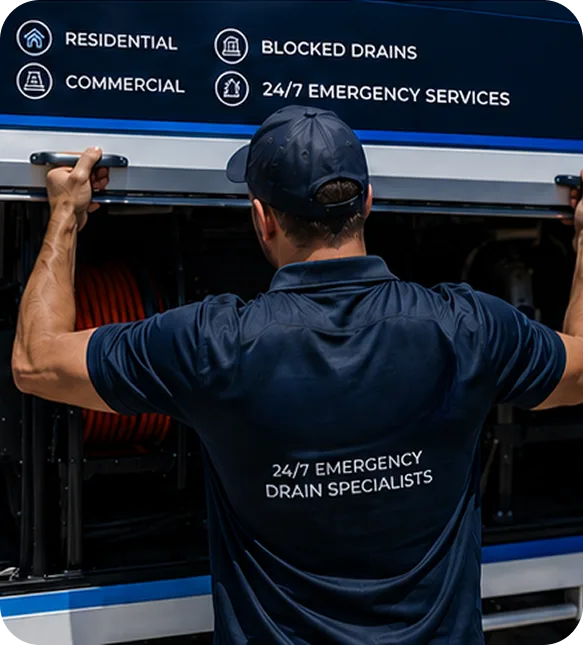
The nearest available crew heads for Middle Dural with the common failure points already stocked on the van: pipe, fittings, valves, drain gear.
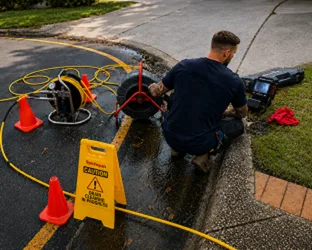
First job on site is stopping the damage: isolate, contain, make safe. Then you get a fixed price for the proper repair before it starts.

Most emergencies are permanently repaired on the spot. If a part has to wait for a supplier, you are left safe, watertight and functioning in the meantime.
Leave your details and an on-call plumber rings back. You will get instructions on what to isolate before anything else.
Ring us and a plumber picks up. Leave details instead and you will get a callback with an ETA, not a sales call.

Leave your details and our local Middle Dural team will call you back fast.